June 22, 2026
Roaches are one of the most common pests encountered in homes around the world. Their resilience and ability to thrive in various environments make them a challenging pest to control. According to the National Pest Management Association, cockroaches spread nearly 33 kinds of bacteria, including E. coli and Salmonella. This article explores the factors that attract roaches indoors and how utilizing a professional pest control service can effectively manage and eliminate them. Understanding these factors is crucial for maintaining a roach-free environment and ensuring the health and safety of your home. With the right knowledge and strategies, you can effectively combat these unwanted invaders.
1. Environmental Conditions that Attract Roaches
Warmth and Shelter
Roaches, like most insects, thrive in warm environments, which is one of the primary reasons they invade homes. They are ectothermic creatures, meaning their internal temperature is regulated by their surroundings. Consequently, they are attracted to the constant warmth available inside homes, particularly in areas near heat sources like stoves, water heaters, and furnaces. The insulation offered by walls and household clutter provides the perfect refuge where roaches can seek warmth and reproduce. This consistent access to warmth, coupled with shelter, makes human habitats ideal environments for roaches, requiring an expert pest control service to thoroughly dislodge them.
Moisture and Water Sources
Moisture is a critical attractant for roaches, as they require water to survive. Areas with leaks, condensation, or standing water become enticing breeding grounds for these pests. Common household water sources that can attract roaches include kitchen sinks, bathrooms, basements, and laundry rooms. Homes that have plumbing issues or places where moisture accumulates unnoticed are particularly at risk for roach infestations. Addressing these water sources is crucial for preventing a roach problem, though specialized extraction by a pest control service is often necessary once an infestation takes root.
Availability of Food Sources
Roaches are notorious scavengers, capable of feeding on almost anything, which makes food availability a major attractant. They can thrive on crumbs, pet food, garbage, and even non-food items like paper and glue, further complicating control efforts. Kitchens, pantries, and dining areas become battlegrounds for homeowners attempting to control these pests. Keeping these areas clean and free of food debris is crucial to deterring roaches from settling in. Proper storage of food and diligent cleaning practices can significantly reduce the risk of infestations.
Clutter and Hiding Places
Roaches seek out cluttered spaces because they provide numerous hiding spots necessary for their survival. Piles of newspapers, boxes, clothing, and other clutter create ideal harborage areas for roaches. These sheltered spaces also offer protection from predators and human interference, allowing populations to grow undetected. Reducing clutter in living spaces is paramount in limiting potential roach habitats. Regular organization and decluttering can eliminate many preferred roach hiding spots, making homes less inviting to pests before a scheduled pest control service treatment.
Entry Points and Accessibility
Roaches gain access to homes through a variety of entry points such as cracks, gaps, and open windows. These vulnerabilities in a building's structure are often overlooked but serve as easy entry routes. Unsealed cracks in walls, floors, or foundations are common pathways for roach invasions. Ventilation systems, poorly fitted screens, and gaps under doors also contribute to the problem. Addressing these entry points is fundamental in any integrated pest management strategy and is a key focus during a comprehensive pest control service assessment.
2. Common Signs of Roach Infestation
Droppings
Roaches leave behind small, dark droppings that resemble coffee grounds or black pepper, often accumulating in areas where they frequent. Recognizing these droppings is one of the initial signs that there might be a roach problem. They are typically found in cupboards, along baseboards, and near food storage areas, which indicates where roaches are most active. The presence of droppings not only signals an infestation but also helps in identifying the size and type of roach involved. Addressing these signs promptly by scheduling a professional pest control service is crucial for preventing further escalation.
Unpleasant Odor
An infestation of roaches often leads to the development of an unpleasant, musty odor in the home. This characteristic scent is due to the pheromones that roaches release while they communicate with each other. This oily, musky smell can become overpowering as the number of roaches increases, serving as a distinct signal of a serious infestation. Besides being unpleasant, this odor can permeate food, furniture, and fabrics, requiring thorough cleaning to eliminate. Noticing this scent should prompt immediate action to investigate potential hidden roach activity.
Egg Cases
Roaches reproduce by laying eggs contained in a case called an ootheca, which can be found around infested areas. Spotting these egg cases is a strong indication of an active infestation within the home. Each ootheca can contain dozens of eggs, leading to rapid population growth once they hatch. They are often found in secure, hidden locations like cracks, crevices, under furniture, and behind appliances. Identifying and disposing of these egg cases can prevent a new generation of roaches from developing, curbing the infestation's progression.
Shed Skin
As roaches grow, they undergo molting, shedding their skin multiple times before reaching maturity. The discovery of shed skins in your living space can be an indicator of roach presence and activity. These discarded skins are often translucent and found near feeding areas, nesting sites, or places with high traffic. Recognizing and disposing of these skins helps gauge the extent of an infestation and directs targeted control methods. The presence of large amounts of skin signifies a substantial number of mature roaches, requiring immediate intervention from a licensed provider.
Visible Sightings
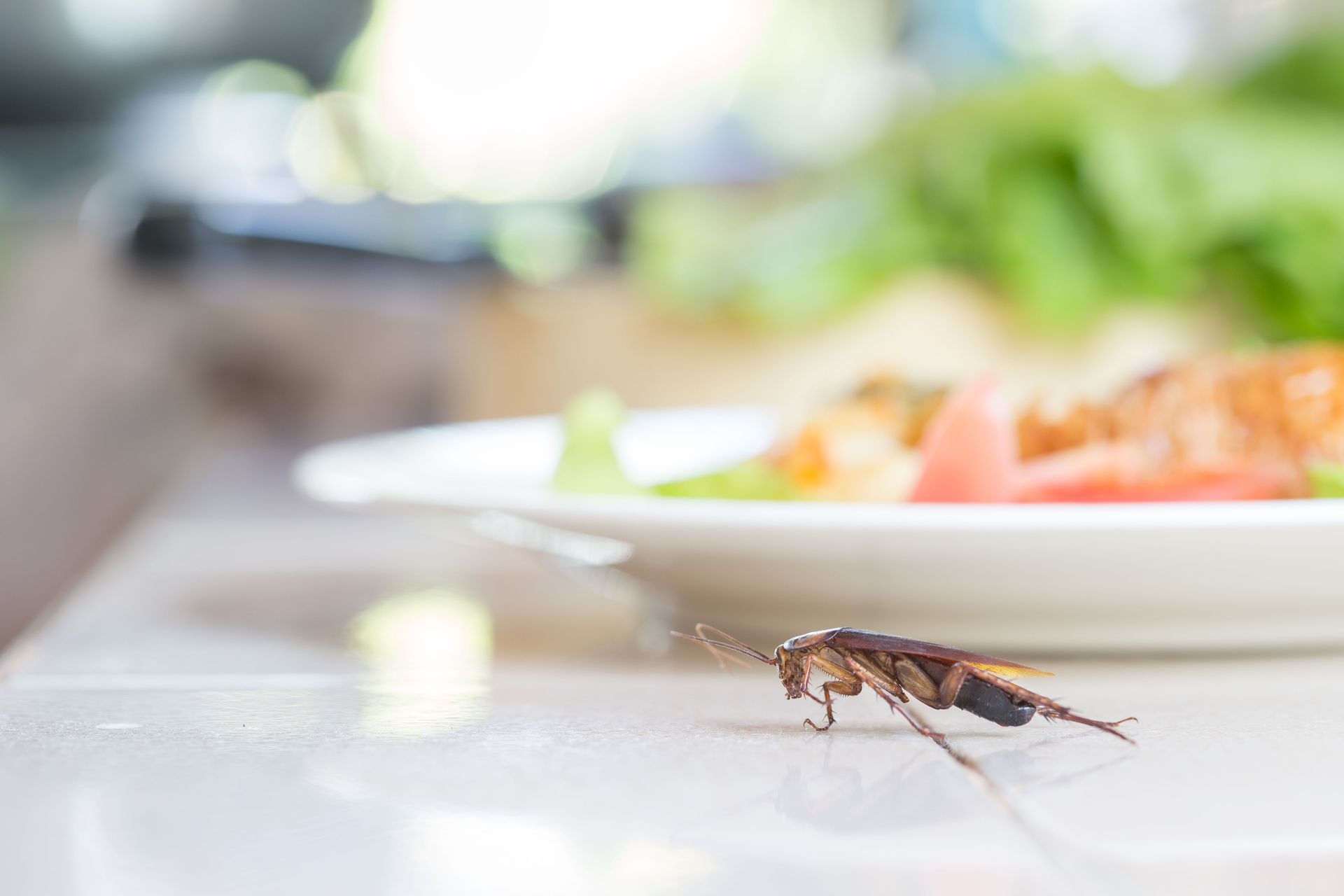
Seeing roaches, particularly during daylight hours, is often a telltale indicator of a severe infestation. Roaches are nocturnal creatures, with the presence of live insects during the day suggesting overcrowding or a severe shortage of hiding spots. Darkened corners, kitchens, and bathrooms are typical locations where roaches might be seen scurrying. The frequency and number of sightings can help assess the severity of the infestation and guide appropriate responses. Swift action is essential in addressing live sightings, using both immediate and long-term control solutions.
3. Approaches to Prevent Roach Infestation
Seal Cracks and Openings
One of the most effective approaches to preventing roach infestation is sealing cracks and openings in your home. Roaches utilize tiny openings to access shelter and resources within living spaces. By identifying and closing these entry points, homeowners can proactively limit pest invasions. Examining exterior walls, foundation areas, and entry points such as windows and door frames serves as an initial step in comprehensive exclusion efforts. Using caulk, weather stripping, or specialized fillers can significantly reduce potential entry pathways for roaches.
Maintain a Clean Environment
Maintaining cleanliness is another critical component in preventing roach infestations. Roaches are attracted to food residue and clutter; therefore, keeping a tidy home reduces their opportunities to find sustenance and shelter. A consistent cleaning routine is vital, focusing on frequently missed areas such as behind appliances, under furniture, and baseboards. Regular sweeping, mopping, and vacuuming help remove potential food sources that roaches may discover. By maintaining a hygienic environment, homeowners can make indoor spaces significantly less appealing to these pests.
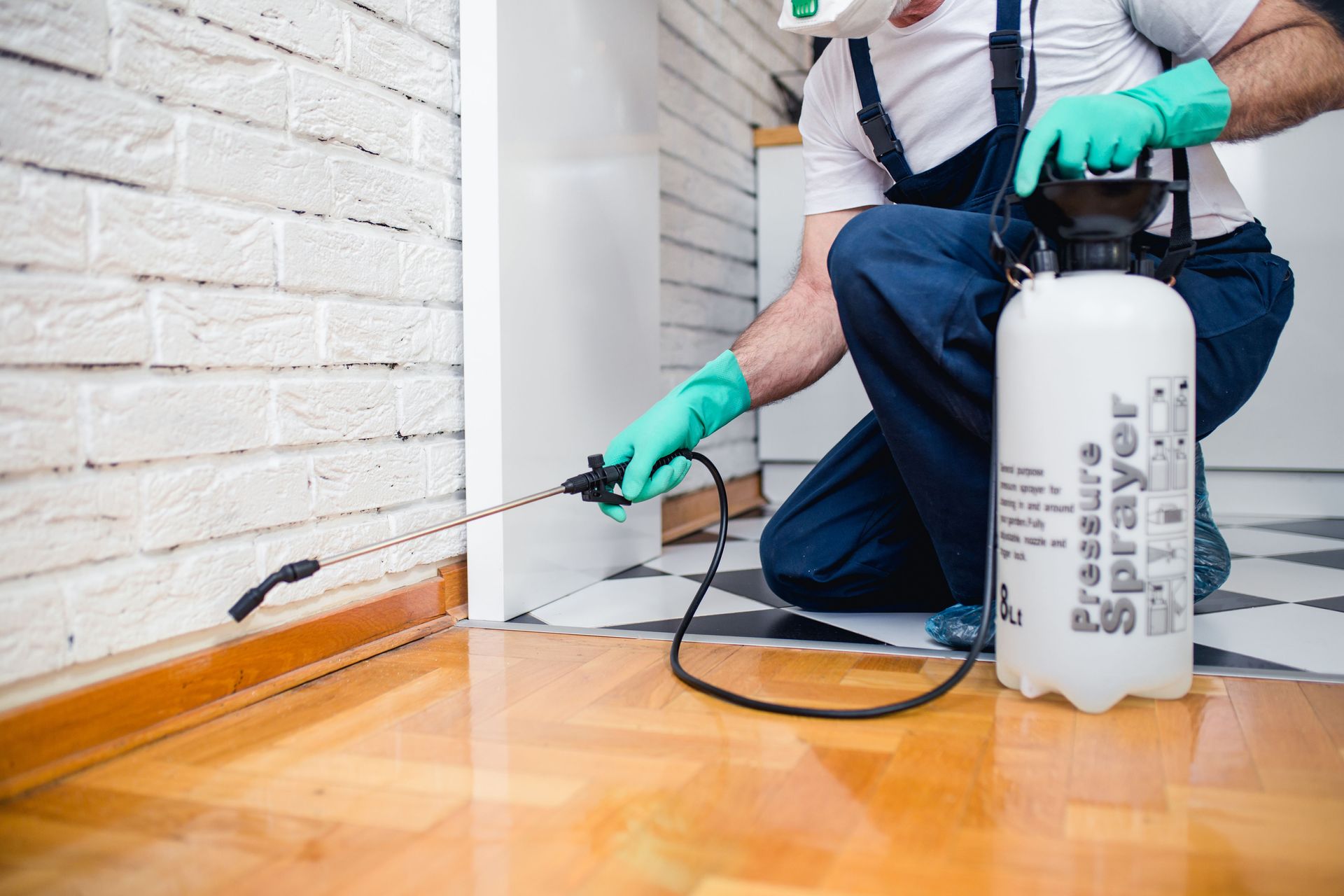
Dealing with a roach infestation requires moving past temporary fixes and bringing in experienced professionals who know exactly how to target these resilient pests. Because roaches are experts at finding hidden heat sources, structural gaps, and microscopic food supply chains, they can easily multiply behind your walls completely undetected. Spotting the warning signs—whether it is an unusual musky odor, shed skins, or a live insect scurrying across the floor—means a breeding population is likely already established. Rather than fighting an uphill battle against a rapidly growing colony, contacting a licensed pest control service ensures a comprehensive inspection, precise treatment, and an airtight exclusion plan to eliminate the root of the problem and permanently secure your home.
Contact Mojo Pest Control today to schedule an inspection and secure a professional pest control service tailored to eliminate your roach problem for good.