March 9, 2026
Understanding the early warning signs of termite activity can make the difference between a manageable issue and a costly structural disaster. These pests often work silently behind walls, floors, and foundations, causing extensive damage long before homeowners realize anything is wrong. According to the National Pest Management Association, termites cause $6.8 billion worth of property damage annually, making early awareness essential for protecting property value and safety. Learning what to watch for and acting quickly can help homeowners stay ahead of infestations and avoid expensive repairs.
Understand Termite Behavior and Life Cycles
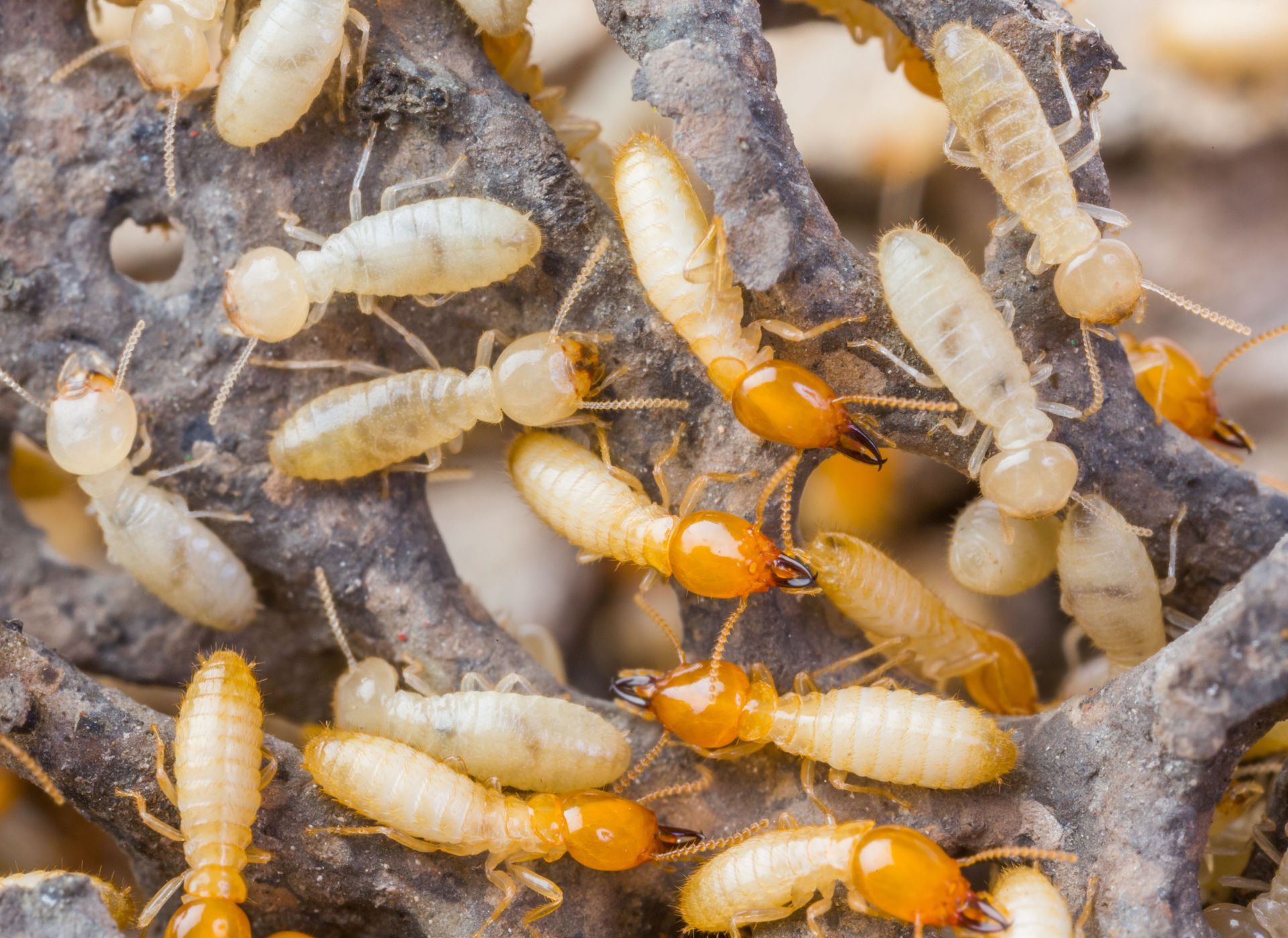
Termites operate within highly organized colonies that include workers, soldiers, and reproductive members, each playing a specific role in survival. Worker termites are the most active and are responsible for feeding, tunneling, and maintaining the colony structure. Because they consume wood from the inside out, infestations often remain hidden until significant damage has already occurred.
Subterranean, drywood, and dampwood termites all have different environmental preferences, which influence where they are most likely to appear. Subterranean termites thrive in moist soil conditions and build mud tunnels to access structures safely. Drywood termites live directly inside wooden materials, while dampwood termites prefer areas with excessive moisture, such as leaks or poorly ventilated spaces.
Understanding these habits helps homeowners recognize risk factors before colonies become established. Routine monitoring and scheduling a termite inspection service can identify early activity that might otherwise go unnoticed. Taking preventive steps based on termite behavior significantly reduces long-term damage risks.
Inspect Structural Areas for Visible Damage
One of the clearest indicators of termite activity is damage to wooden structures throughout the home. Infested wood may appear blistered, cracked, or unusually soft when touched. These signs often indicate internal tunneling that weakens the wood’s structural integrity over time.
Floors, baseboards, support beams, and attic framing should all be examined regularly for unusual changes. Warping, buckling, or uneven surfaces may suggest termites have compromised internal materials. Doors and windows that suddenly become difficult to open or close can also signal hidden damage behind the frames.
A professional termite inspection service can identify subtle structural warning signs that homeowners may overlook during routine checks. Early detection allows for faster intervention before damage spreads to load-bearing components. Consistent monitoring is essential to preserving the long-term safety of a property.
Identify Hollow Sounds and Surface Changes
Termites consume wood internally, often leaving a thin outer layer intact, which makes damage difficult to detect visually. Tapping on wooden surfaces may produce a hollow sound, indicating internal tunneling beneath the surface. This simple test can help homeowners identify potential problem areas quickly.
In addition to hollow sounds, blistering or bubbling paint can signal termite activity beneath walls or flooring. Moisture accumulation from termite activity may cause surfaces to swell, peel, or warp. These changes often appear gradually, making regular inspections especially important.
Scheduling a termite inspection service helps confirm whether these symptoms result from termites or other moisture issues. Professional tools can detect hidden damage without invasive methods. Identifying problems early prevents further deterioration and costly repairs.
Recognize Droppings, Wings, and Mud Tubes
Termite droppings, also known as frass, are small pellet-like particles often found near infested wood. These droppings resemble sawdust but are uniform in shape and color. Their presence usually indicates an active infestation nearby.
Mud tubes are another major warning sign, especially with subterranean termites. These pencil-sized tunnels appear along foundations, walls, or crawl spaces and serve as protected pathways between colonies and food sources. Breaking these tubes may temporarily disrupt termite movement but does not eliminate the infestation.
Discarded wings near windowsills or door frames often appear after termite swarms establish new colonies. A termite inspection service can confirm whether these signs indicate active termite populations. Early identification allows for targeted treatment before colonies expand further.
Listen for Unusual Noises Inside Walls
Although termites are small, their activity can sometimes produce audible sounds within walls. Soldier termites may create clicking noises by tapping their heads to signal danger to the colony. These sounds are typically faint but may become noticeable in quiet environments.
Rustling noises may also occur as termites tunnel through wood and expand their galleries. These sounds are often mistaken for other pests but can indicate extensive internal activity. Paying attention to unusual noises helps homeowners detect infestations earlier.
A professional termite inspection service may use acoustic detection tools to confirm termite presence within hidden structures. These technologies provide precise results without requiring invasive exploration. Early detection through sound monitoring can significantly reduce repair costs.
Evaluate Environmental Risk Factors
Environmental conditions play a major role in termite activity and infestation likelihood. Moisture, warmth, and direct soil contact create ideal conditions for termite colonies to thrive. Homes with poor drainage or persistent leaks face higher infestation risks.
Wood piles, mulch, and debris stored near foundations can serve as convenient food sources for termites. These materials provide easy access to structures, allowing colonies to migrate undetected. Keeping wood materials elevated and away from the home reduces this risk significantly.
Vegetation touching exterior walls can also create pathways for termites to enter structures. Scheduling a
termite inspection service helps evaluate environmental vulnerabilities that may attract termites. Addressing these conditions strengthens overall prevention efforts.
Use Advanced Detection and Monitoring Tools
Modern termite detection technology has greatly improved the ability to identify hidden infestations. Infrared cameras can detect temperature differences caused by termite activity behind walls. Acoustic devices can also identify movement and feeding sounds within wooden structures.
Moisture meters help locate areas with excessive dampness that may attract termite colonies. These tools allow professionals to pinpoint infestation sites with minimal disruption. Early identification enables targeted treatment that minimizes structural damage.
Professional pest specialists rely on these advanced tools during a termite inspection service to ensure comprehensive evaluations. Combining technology with expert knowledge provides accurate detection and effective prevention strategies. This approach significantly improves long-term property protection.
Implement Prevention and Immediate Response Strategies
Preventive measures are the most effective way to reduce termite risks. Eliminating wood-to-soil contact, maintaining proper ventilation, and repairing leaks help create conditions unfavorable for termite colonies. Regular landscaping maintenance also limits potential entry pathways.
Routine inspections play a critical role in identifying early warning signs before infestations spread. Annual professional assessments help homeowners detect hidden activity and address vulnerabilities proactively. Combining prevention with monitoring significantly reduces long-term damage risks.
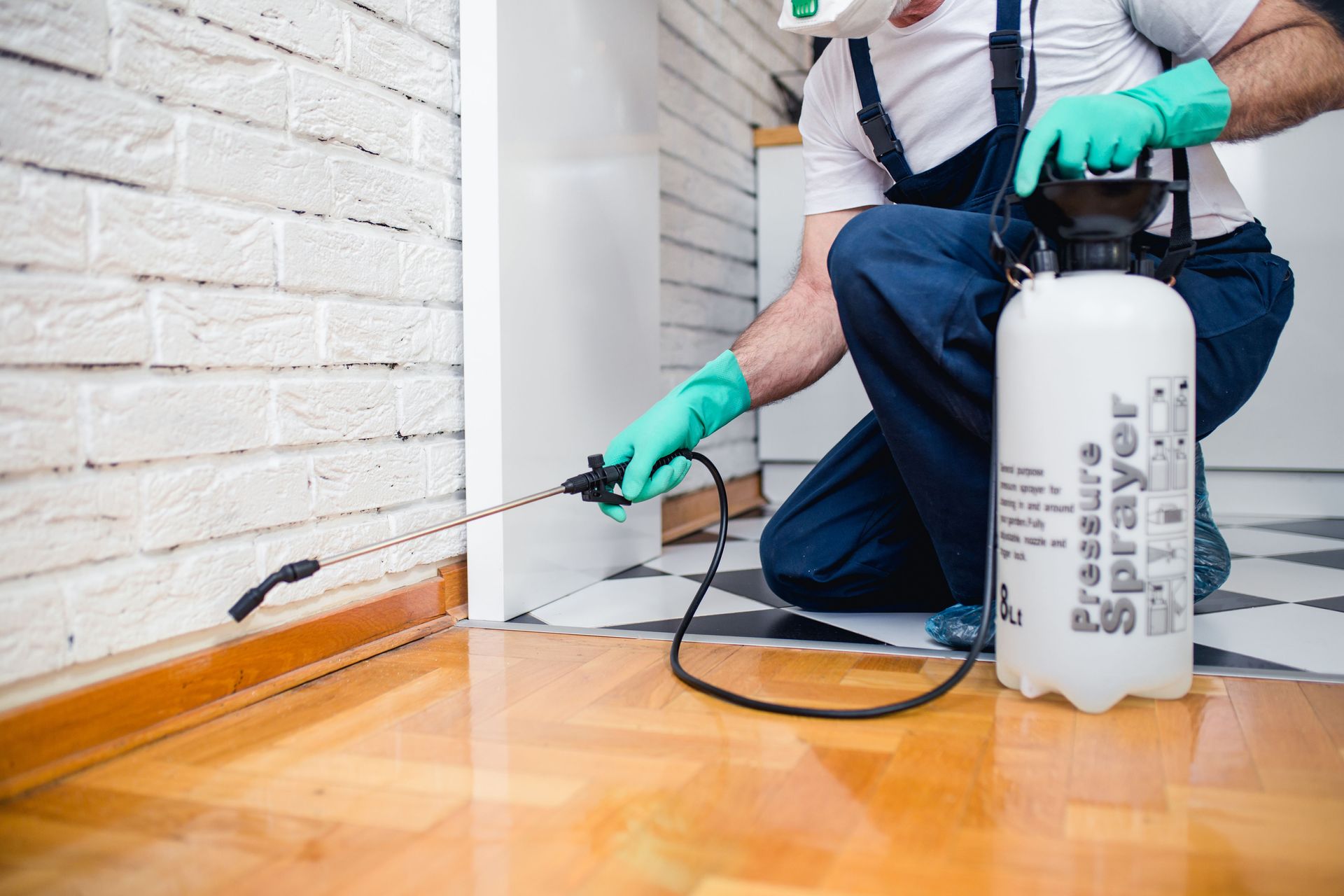
If termites are detected, immediate action is necessary to prevent further destruction. Professional treatments such as bait systems, soil barriers, and targeted applications help eliminate colonies effectively. Acting quickly protects structural integrity and reduces repair expenses.
Staying proactive about termite awareness can protect homeowners from costly structural damage and long-term safety concerns. Recognizing early warning signs, monitoring environmental conditions, and scheduling routine inspections all play vital roles in preventing infestations from escalating. Working with experienced professionals ensures accurate detection, effective treatment, and long-term peace of mind.
If you want reliable protection for your property, our team at Mojo Pest Control is here to help. As a local, family-owned company serving Queen Creek and surrounding areas with over 20 years of combined experience, we provide thorough inspections and expert pest solutions for everything from termites to ants, spiders, and more. Contact us today to schedule your termite inspection service and let us help keep your home safe, secure, and pest-free.